
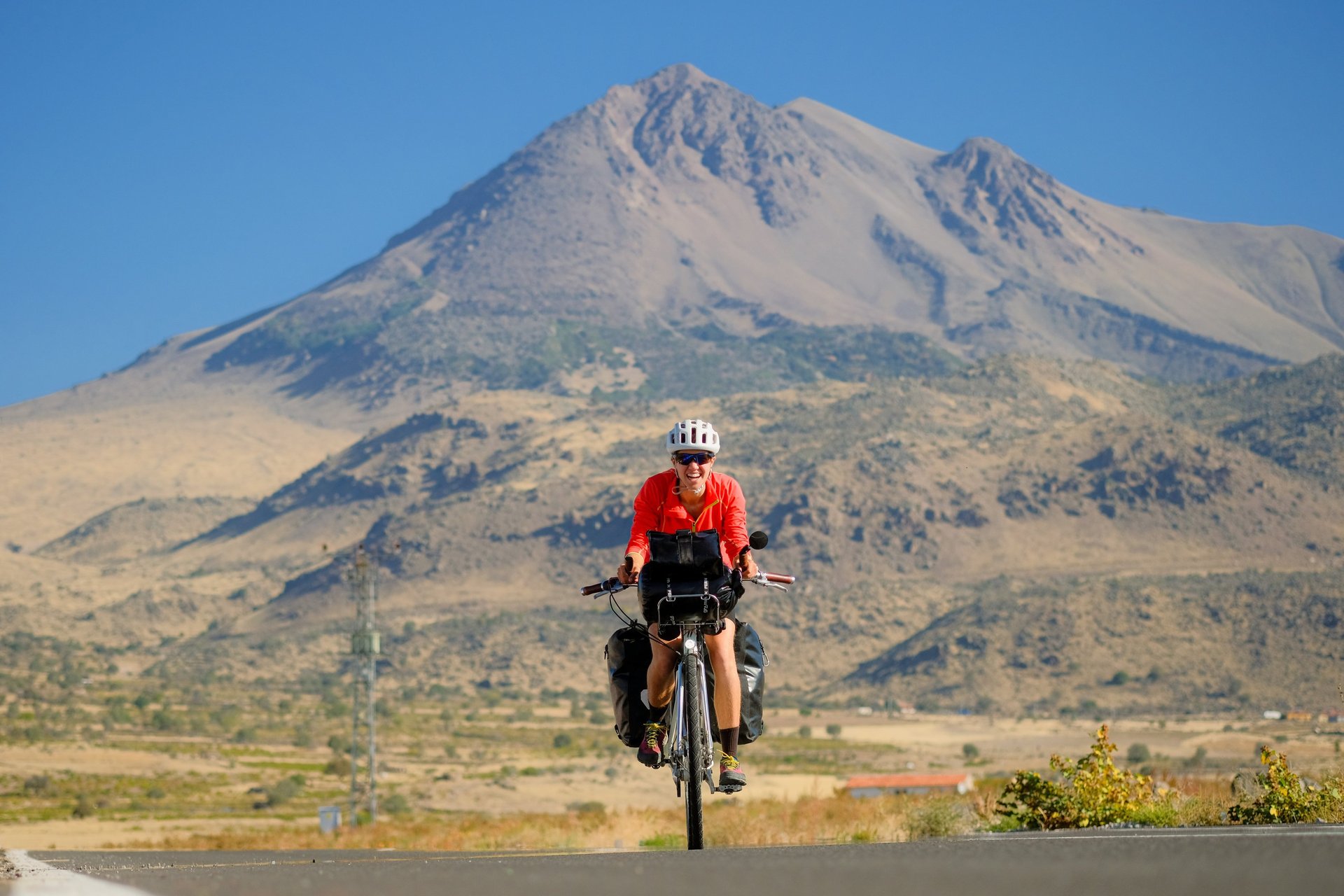
“Trusting in yourself, trusting in the process and the way, trusting in the people around you. And with that trust, the courage to set off and pursue a dream.”
~ Liz Steinwandel.
From Jest to Journey:
How Liz Steinwandel Biked From Berlin to COP29
for Climate Justice
Sometimes there’s a time in our lives when we get insane ideas and feel the urge to push ourselves to make it happen.
Although, along the journey there’s always a moment when the challenges come to shake our beliefs. However, deep inside us, we know that our inner strengths exist and guide us to pursue our dream.
Right after the COP29 event in Baku, Azerbaijan in late November, 2024. I joined Women And Climate (WAC)’s virtual event of COP29 Recap on December 5th, 2024. During the community forum, I heard a jaw dropping story of Climate justice activist, Liz Steinwandel from Berlin.
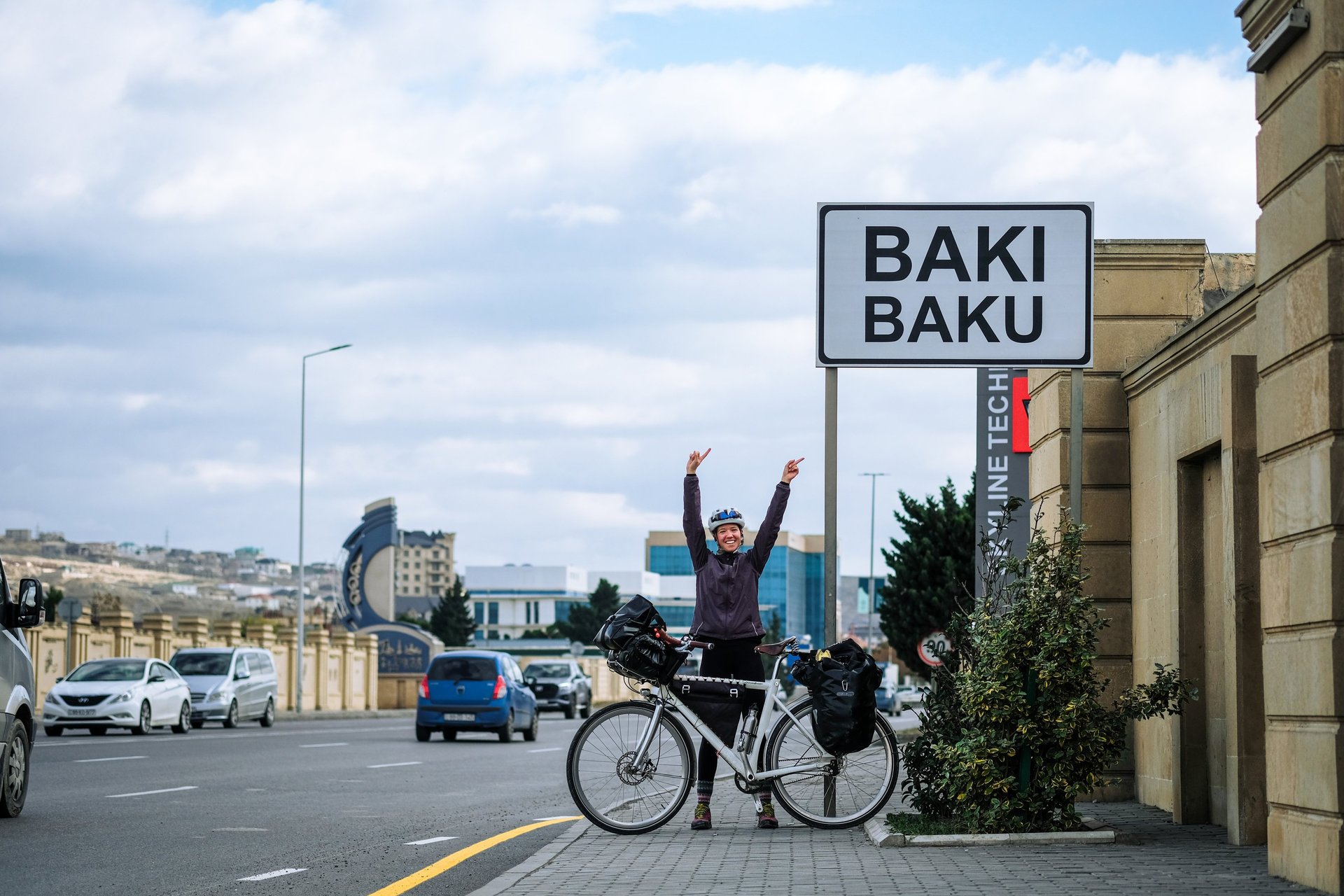
Liz spent four months cycling from Berlin to Baku on her own! Her aim to raise awareness about zero emissions is truly inspiring. Let’s get to know about Liz and her journey in climate through our interview below.
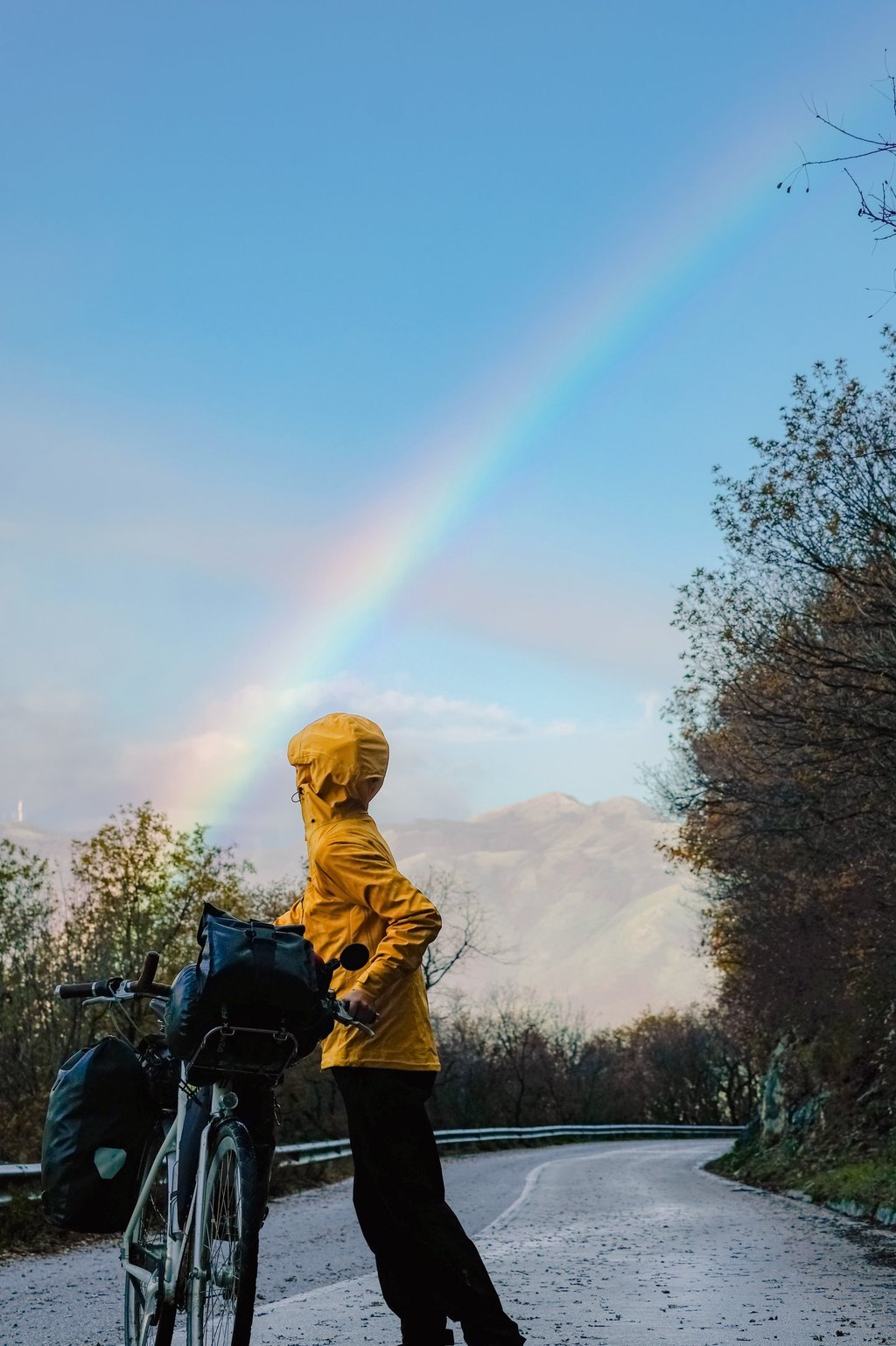
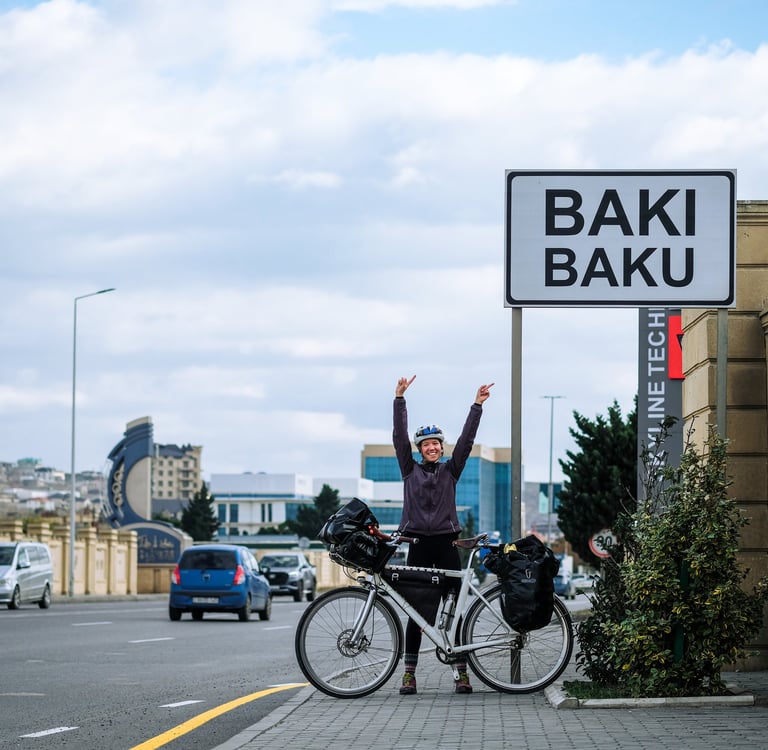
Bike to Baku | Back to Berlin
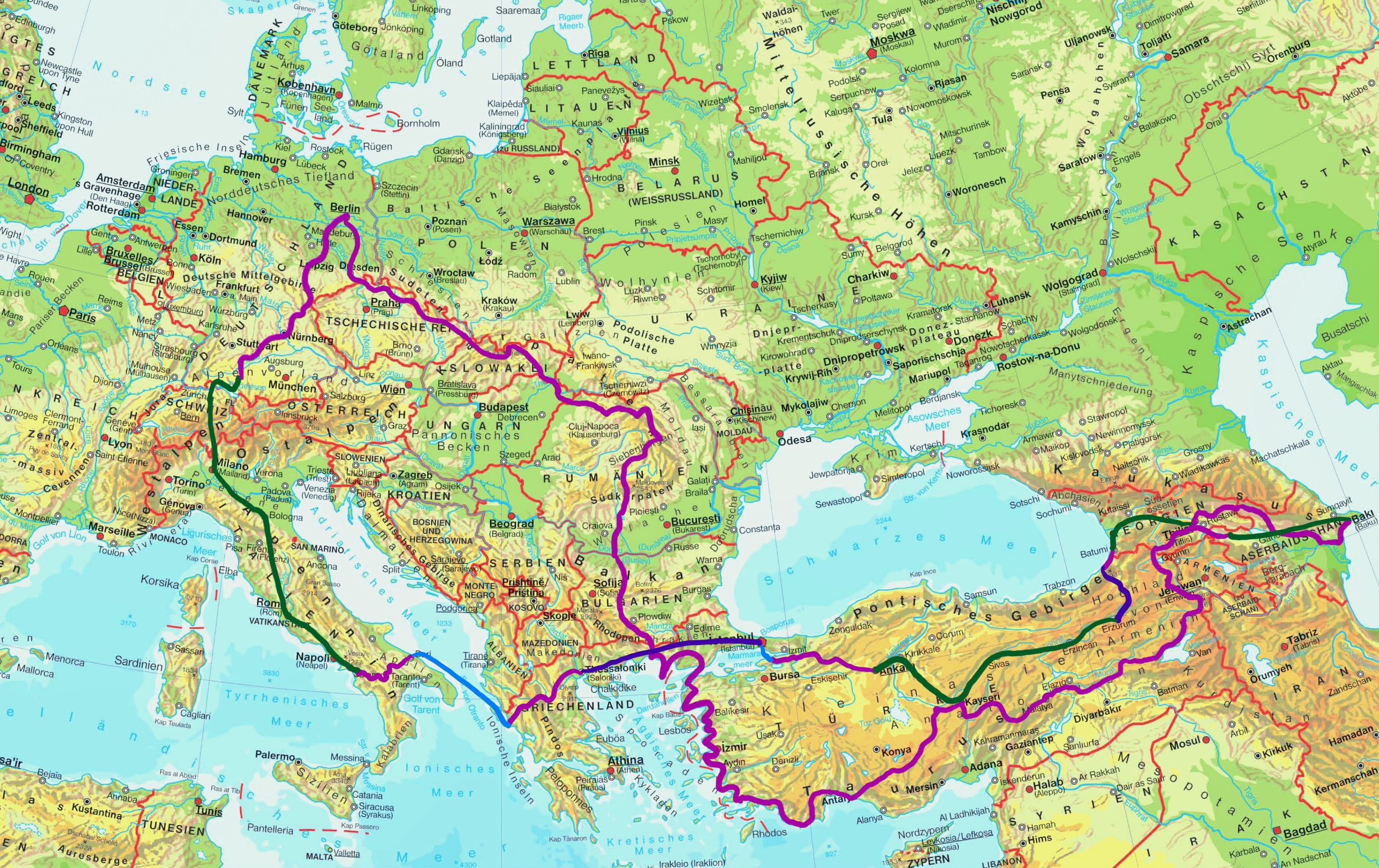
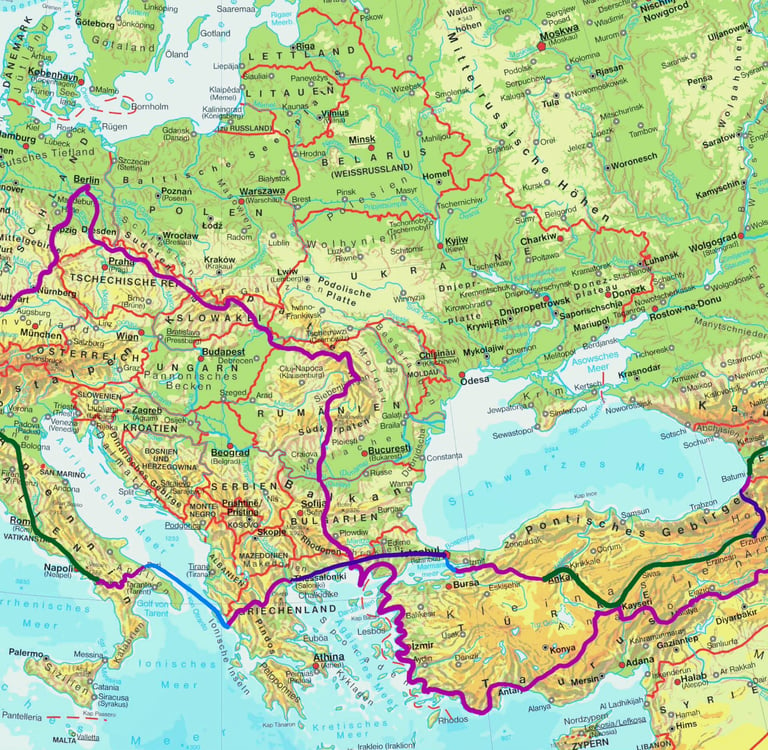
10,500 km by bike – with 123,720 m in altitude
Could you please tell us about yourself and how you see your role?
My name is Liz, and I am a 27-year-old white woman born and raised in Germany. I have always been thinking a lot about my role in this world, and I don’t have an answer as I am constantly searching and figuring it out. But I clearly see a responsibility to contribute to a world that is more just and respectful, and where we live in solidarity and community - especially with the privileges but also the historical responsibility that comes with being a white, German person.
Profession?
So, I studied Environmental and Sustainability Studies, which is an interdisciplinary Bachelor programme and have worked with different NGOs in the climate and environmental field in Berlin since I finished. I liked this work, but I always felt like something was lacking to make it fulfilling.
Since when have you been actively involved in climate issues? What triggers you?
My parents raised me with lots of awareness for climate and environmental issues and when I was around 10 years old, I started doing something about it myself. As soon as I started learning about the interconnected injustices in the world, I felt responsible and I couldn’t understand how people could live in apathy. I got a book about climate change and raised donations from flea markets or collected signatures for the school to use recycling paper. But to be honest, people around me in the small town where I grew up didn’t care much about these topics.
Could you please tell us about yourself and how you see your role?
My name is Liz, and I am a 27-year-old white woman born and raised in Germany. I have always been thinking a lot about my role in this world, and I don’t have an answer as I am constantly searching and figuring it out. But I clearly see a responsibility to contribute to a world that is more just and respectful, and where we live in solidarity and community - especially with the privileges but also the historical responsibility that comes with being a white, German person.
Profession?
So, I studied Environmental and Sustainability Studies, which is an interdisciplinary Bachelor programme and have worked with different NGOs in the climate and environmental field in Berlin since I finished. I liked this work, but I always felt like something was lacking to make it fulfilling.
Since when have you been actively involved in climate issues? What triggers you?
My parents raised me with lots of awareness of climate and environmental issues, and when I was around 10 years old, I started doing something about it myself. As soon as I started learning about the interconnected injustices in the world, I felt responsible, and I couldn’t understand how people could live in apathy. I got a book about climate change and raised donations from flea markets, or collected signatures for the school to use recycled paper. But to be honest, people around me in the small town where I grew up didn’t care much about these topics.
How did you start raising awareness to wake people up about climate change, and what motivated you to do so?
I think I already touched upon that question with my previous answer, but what got me into getting active was the responsibility I felt, especially as a German person. Of course, there was a lot to learn along the way, especially around racism and colonialism and how I may reproduce them. In 2018, I initiated the first climate strike in the city where I studied, which was a big catalyst for my climate activism in general, but also in the international context.
Have you faced any obstacles in your climate change campaigns? If so, could you share some stories with us?
In general, I think the most frustrating obstacle for me is that the vast majority of society does not care or cares way too little. Many people would rather criminalize climate activism that involves civil disobedience than reflect on what it is actually about. One example of a frustrating campaign for me is the referendum in Berlin, which I co-organised with many, many people. The referendum was meant to change the Berlin climate law so that Berlin has to be climate neutral by 2030. People spent months collecting signatures on the streets and we spent more months mobilising and campaigning ahead of the final referendum. I have to say that this was all very empowering for me, but also for everyone involved! But of course, conservative and right-wing groups and newspapers mobilised against us. At the referendum, the majority voted with YES, but unfortunately, not enough people went to vote, and so we didn’t reach the necessary quorum of voters. Also, it was a very narrow majority. I personally was very frustrated after the result.
Have you faced any obstacles in your climate change campaigns? If so, could you share some stories with us?
Vegan or vegetarian?
I became a vegetarian 14 years ago, now I am mostly vegan with some exceptions, especially while on the road.
Favourite dessert?
Bread with chocolate spread :)
Do you prefer coffee with milk or without milk?
I don’t drink coffee :D
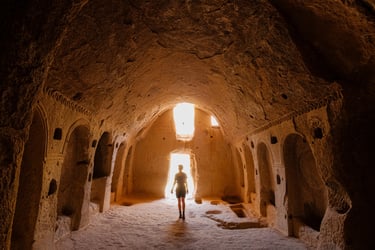
Speaking of biking, what draws you to it? Where have you biked to? Do you mostly bike solo?
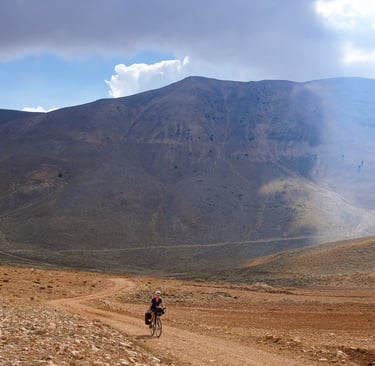
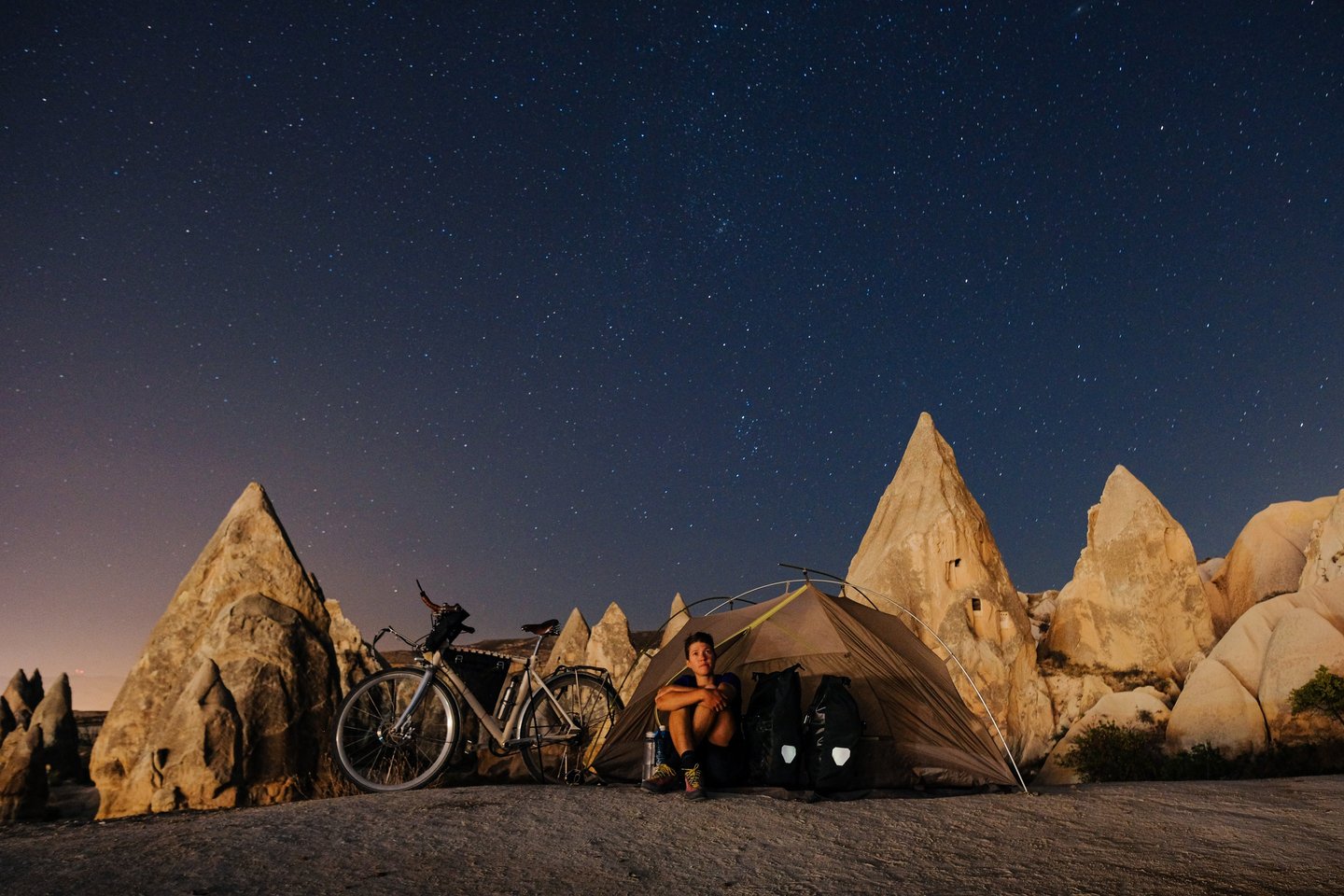
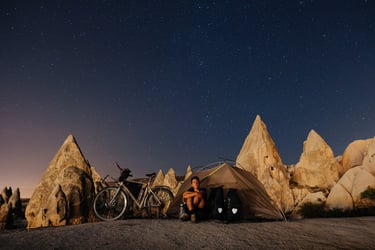
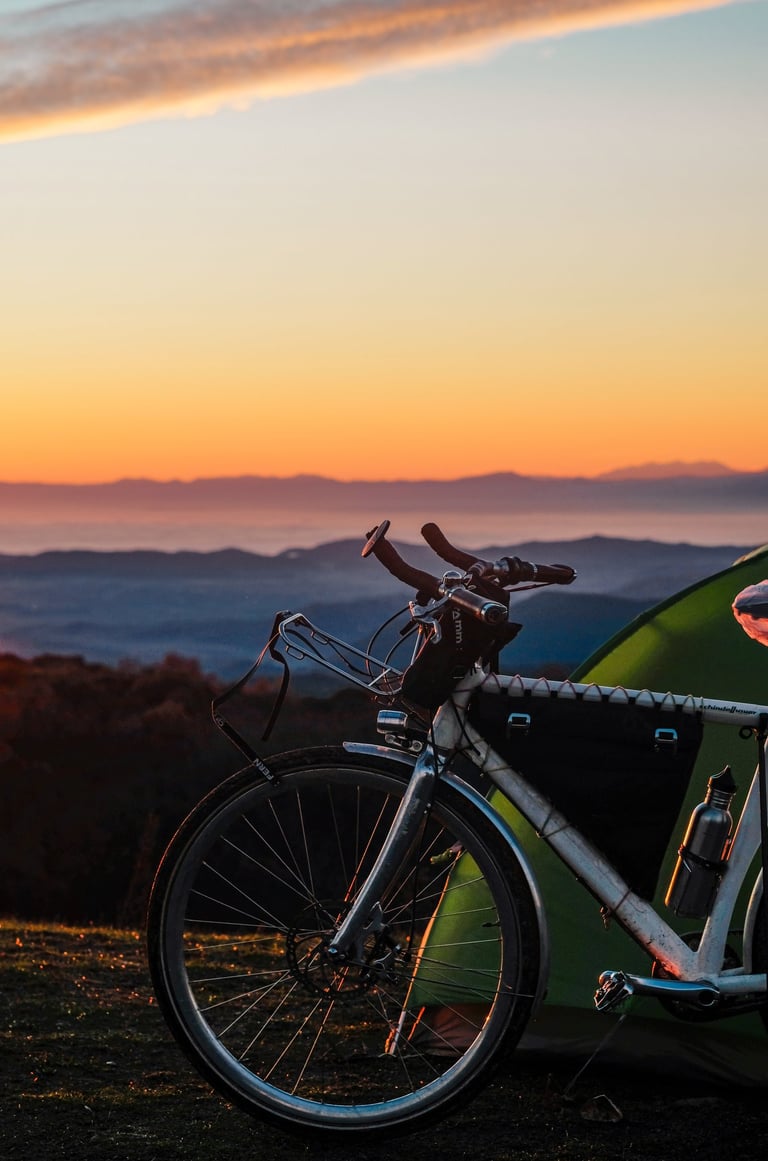
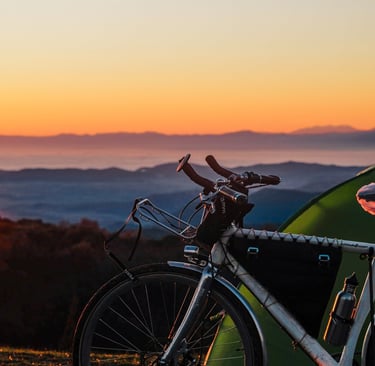
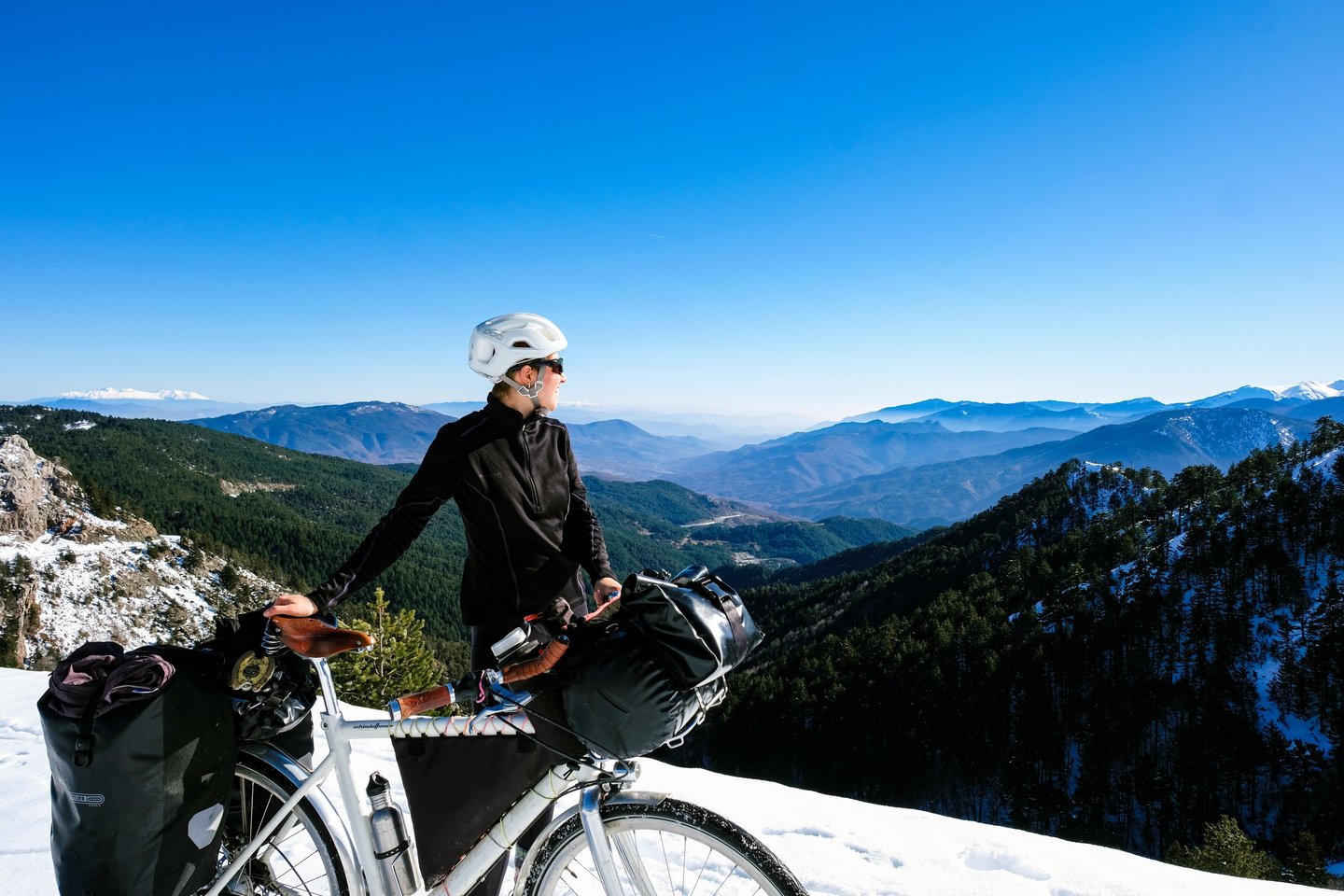
Biking gives me freedom and independence. When I carry everything I need on my bike - my tent and sleeping system as shelter, my cooker, my clothes, my devices, food, water - I feel like I can go anywhere on my own. It also clears my mind because I feel like making my wheels roll and move forward with my own physical strength makes my thoughts “roll” and move forward. I have been biking in Germany a lot for shorter trips, but also in Sweden, Norway, France and Italy during the past years, but all the trips were much shorter than my journey to Baku. All of my trips so far, except two or three, have been solo.
Based on the virtual gathering I joined regarding the COP29 recap, and knowing about your biking journey from Berlin to Baku, Azerbaijan, could you share what inspires you, how you prepared, and how long the trip was?
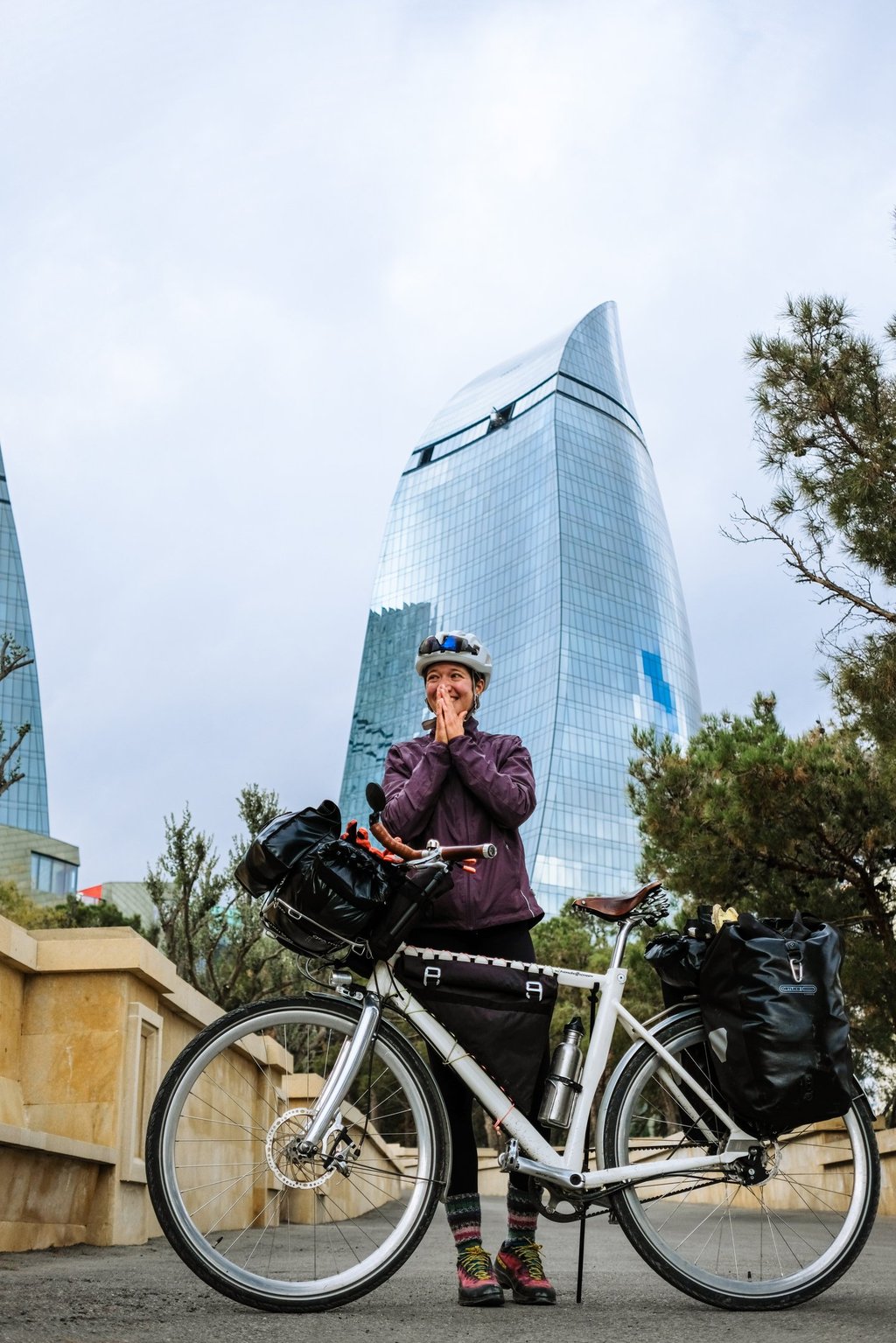
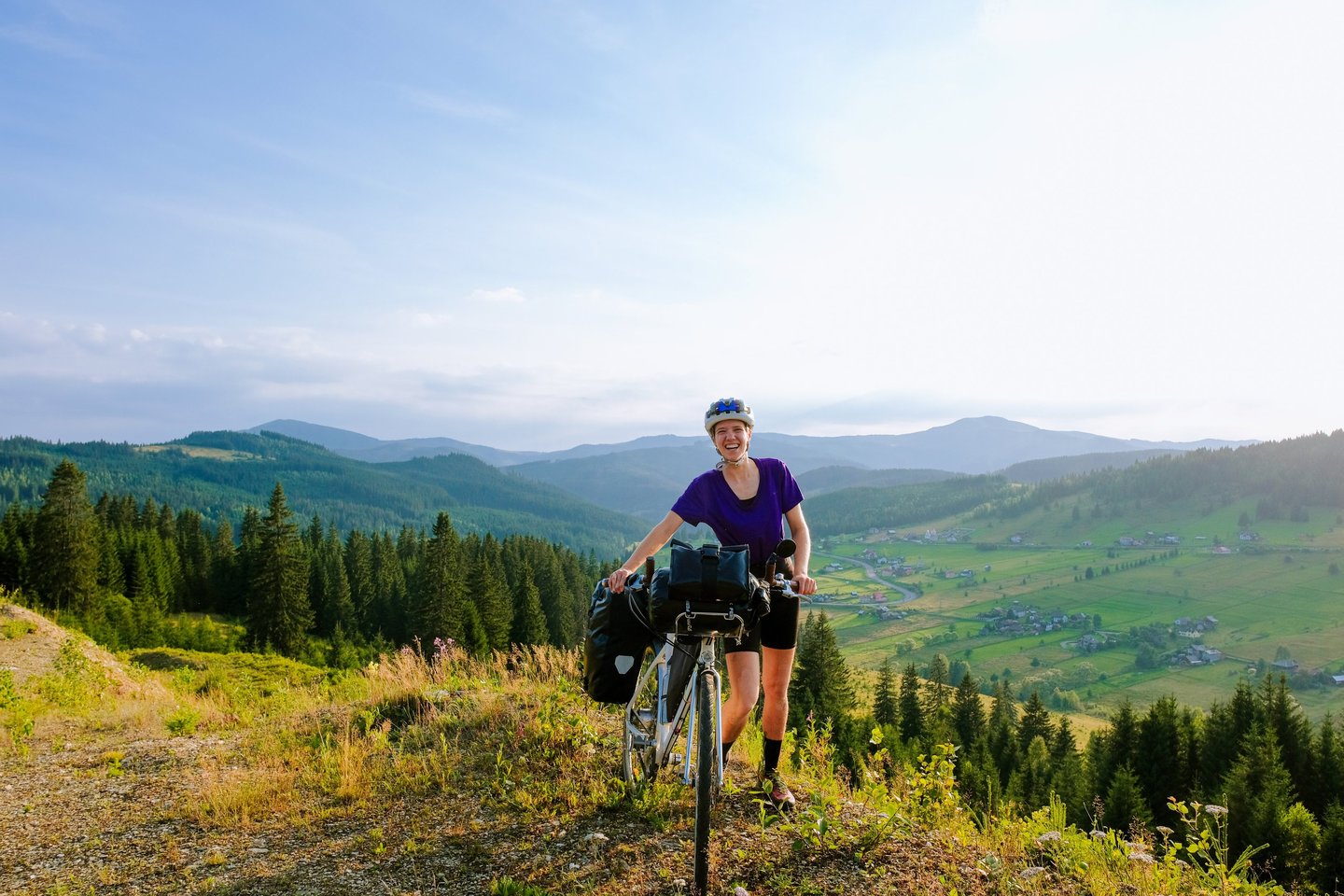
The idea was a joke in the beginning when I heard COP would take place in Baku, and I said, “I could bike there.” But I have been thinking of going on a long solo bike journey for some years, and it seemed like the perfect time. I follow several bike travellers on Instagram, and whenever I saw their posts, I was like “I wanna be such a person!” In the beginning of 2024, I went through a challenging break-up and was also trying to figure out my role in society, especially advocating for climate justice. With all of this, I felt kind of stuck and wasn’t really happy and fulfilled in life. I started preparing by making a rough plan for the route first and then organised and bought the equipment that I didn’t have yet and needed, like some bike stuff, for example, I sewed some bike bags, but also gear like a water filter, some clothes, etc. I headed off from Berlin on July 5th and arrived in Baku 4 months later. I am currently (December 16) still on the road, on my way back with the bike, but also using trains, buses and ferries.
What challenges did you face during your biking journey?
When I started, I honestly didn’t believe I would make it all the way. It seemed a big task, both physically and mentally. But I have to say that I am really amazed of what my body is capable of, I didn’t have major issues with physical pain. But still, on a bike journey, you feel every metre, especially when it goes uphill. But I think in general the biggest challenge is being alone. Being exposed to everything alone, especially in countries where bike travellers are rare, and I drew a lot of attention to myself, especially as a young woman. Being in charge of doing all the survival tasks like finding food, water, a sleeping place, planning the route, talking to people by myself without any support was also a big challenge. Being out there without a safe space you can return to and all the daily uncertainties on my own, it wasn’t always easy. But these challenging circumstances make me grow so much as a person. I think it’s incredible.
How did you handle things like flat tires or extreme weather?
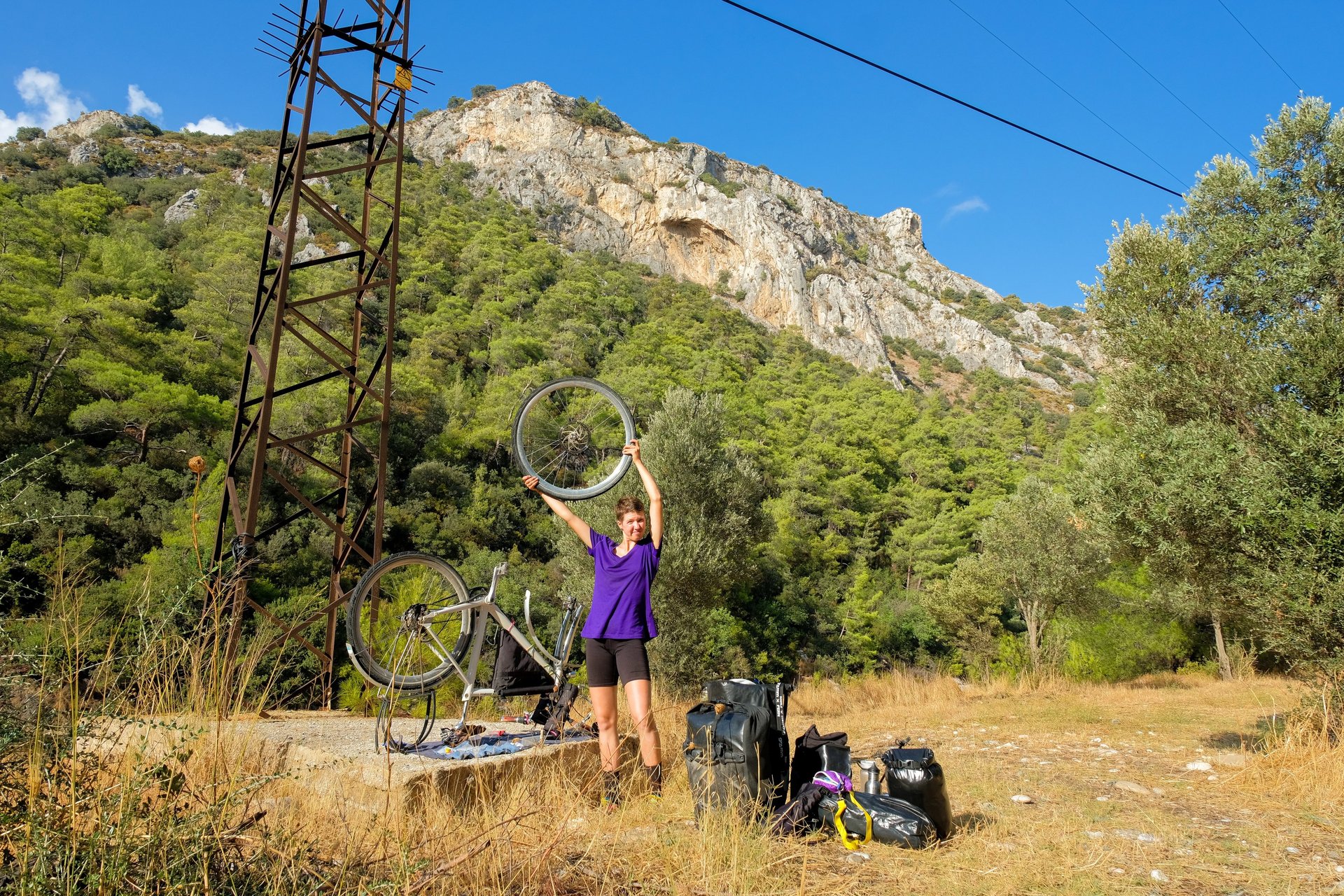
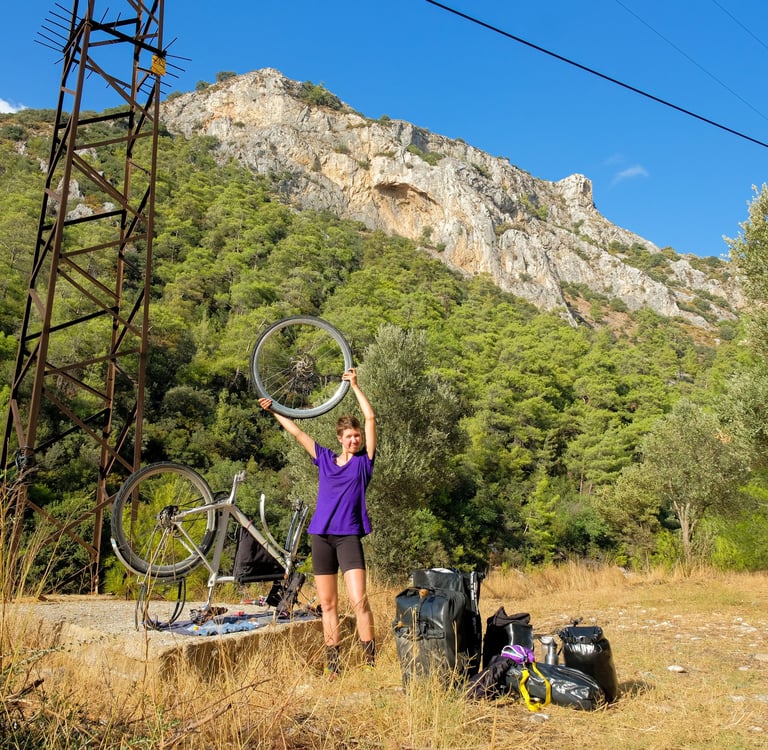
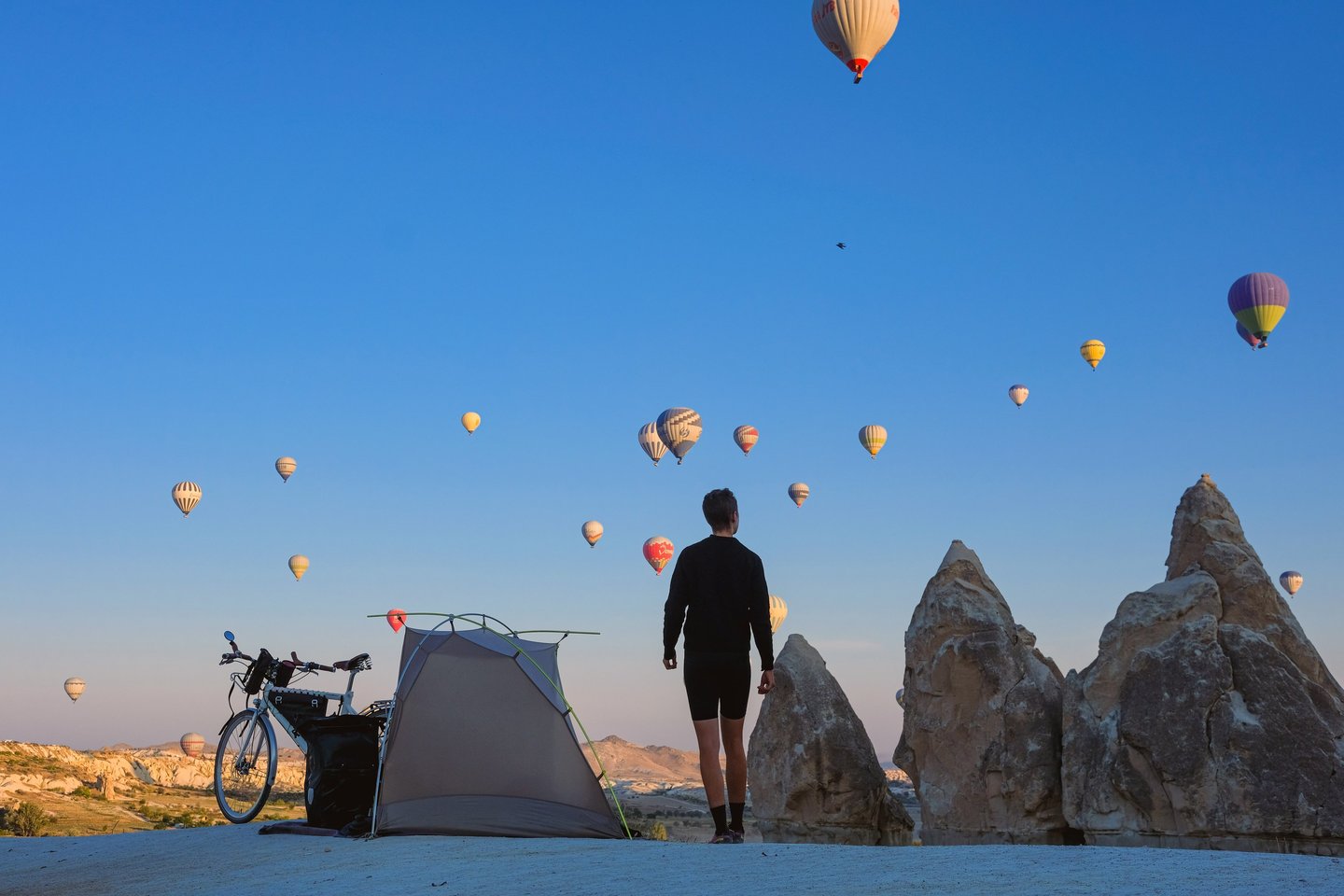
I was exposed to it all on my own. Luckily, I can fix most bike issues on my own, and while the flat tires I had in Türkiye due to some thorny plants were quite annoying, I could relatively easily fix them by myself on the road. Regarding the weather, the extremes are definitely challenging. In Romania and Bulgaria, I experienced temperatures around 40 °C, which I had never experienced before. But I took it slow and only cycled very early and late and had a long break in between. Now in late October, November and December, I camped at below 0 °C for several nights. I get cold very easily, and it is definitely challenging. But the ultimate life hack is using a rescue blanket inside the sleeping bag. :D
With that, it’s still quite cozy. When it was very rainy, I tried to find a place to sleep, like a hostel or asking in a village and then people invited me.
Aren’t you afraid of biking solo as a woman?
Many people ask me that question. I think we are raised in a way that we as women should always be cautious - I call it men-tal load. :D
But I refuse to let patriarchy stop me from doing things like that. And while I did have some uncomfortable experiences with men being weird, I also experienced great hospitality, which I think oftentimes was because of me being a young woman. Families invited me, men offered me help because they might be a little protective, and I built some strong bonds with women who hosted me. So, overall, I am aware that I am very privileged, especially as a white German woman, but I hope we as women will not let patriarchy keep us down.
What are some of the sad realities you’ve witnessed along the way from Berlin to Baku, particularly in relation to climate change?
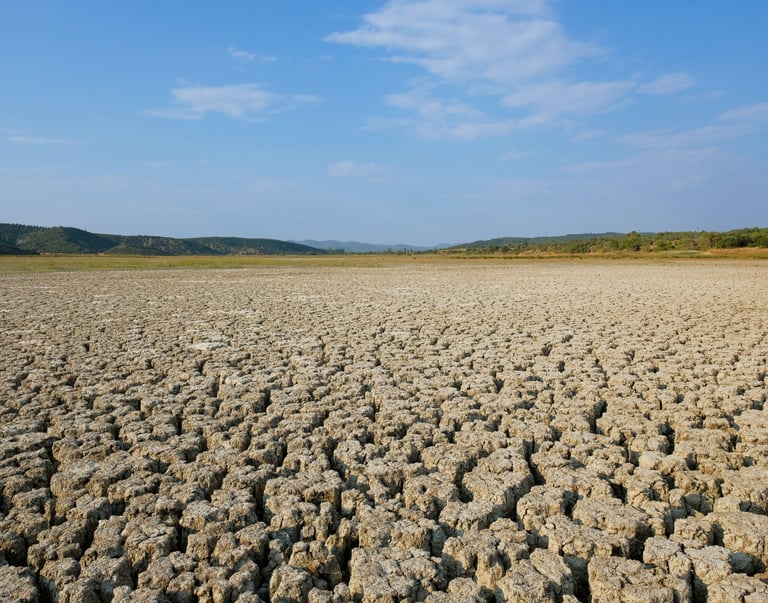
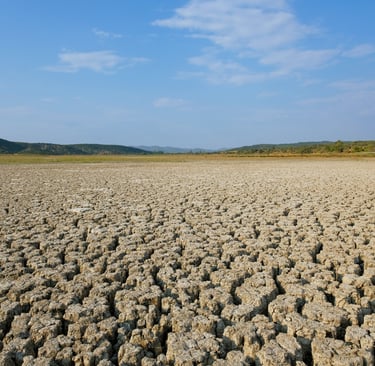
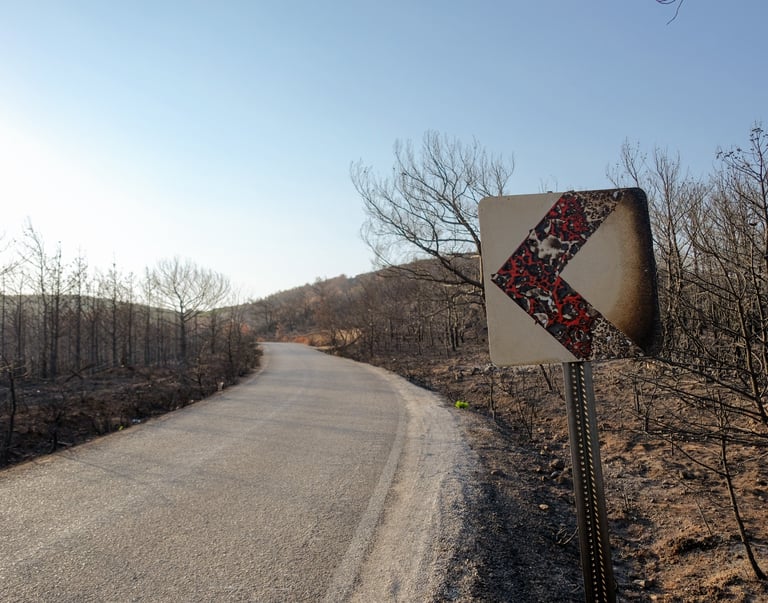
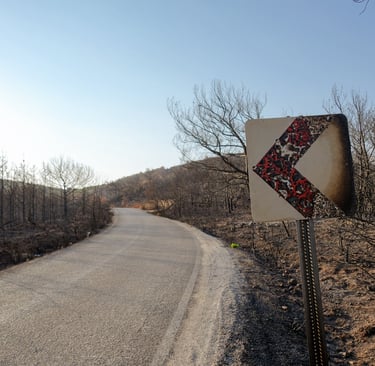
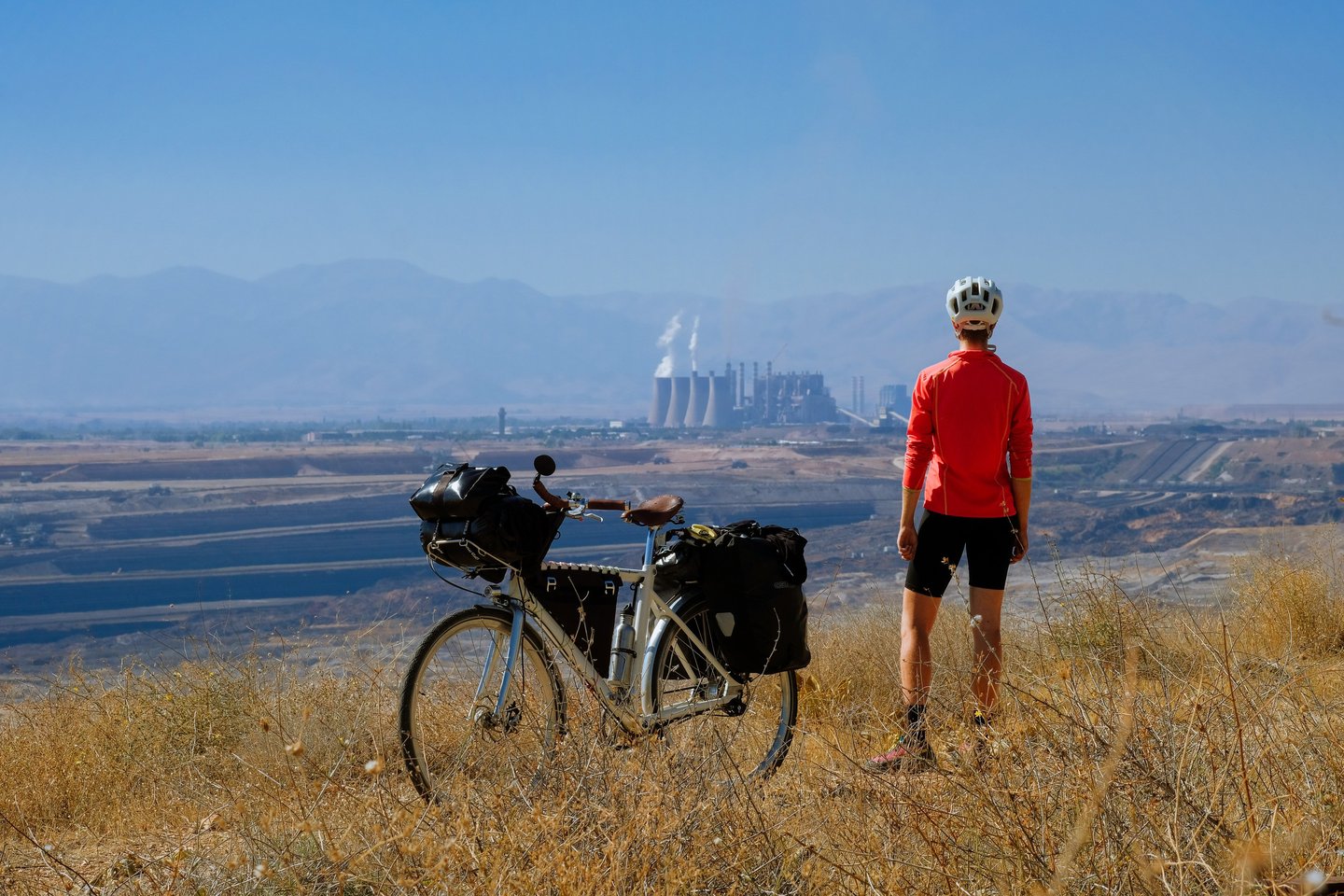
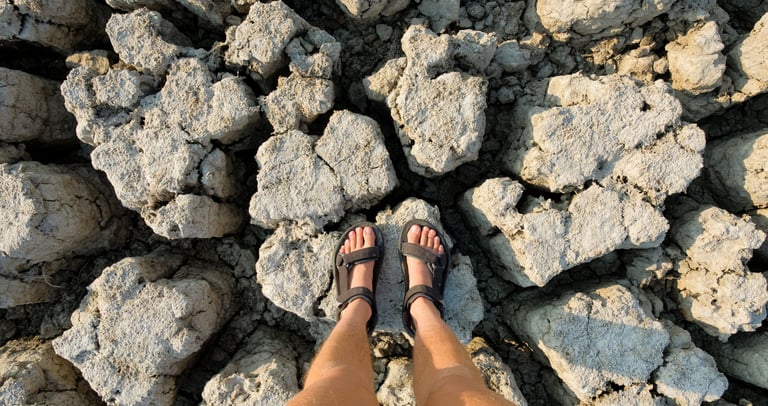
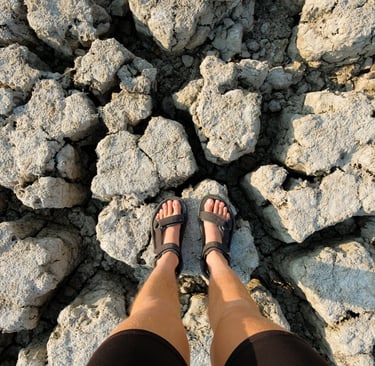
I do think that the heat that I mentioned is very likely to be connected to global heating. Of course, heat has always been a thing in South-east Europe, but we all know it’s getting more frequent, more intense and longer. I also witnessed some wildfires in Bulgaria and several burnt areas in Türkiye along the Mediterranean coast. In Türkiye, I also saw two or three dried-up lakes. It made me think a lot about how these landscapes will change, and what they will look like a couple of years from now, and what it means for the people living there.
On the flip side, what are some of the most memorable moments from your journey?
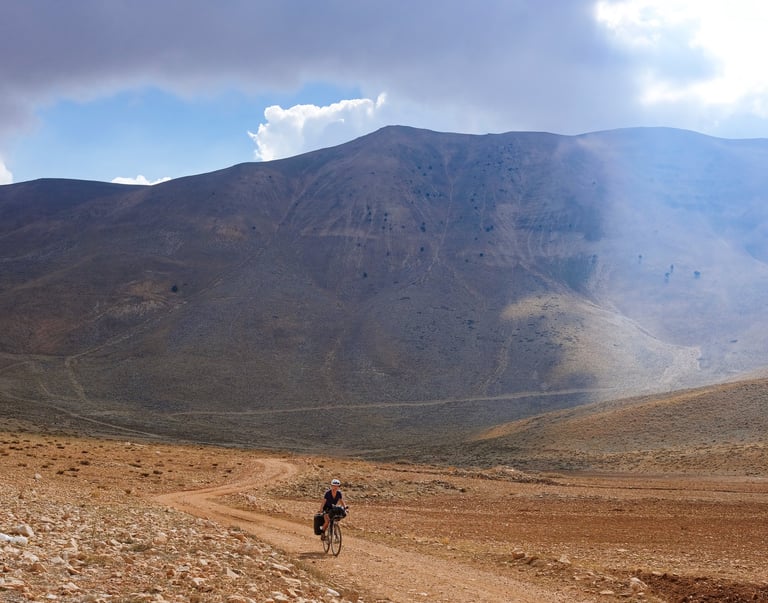
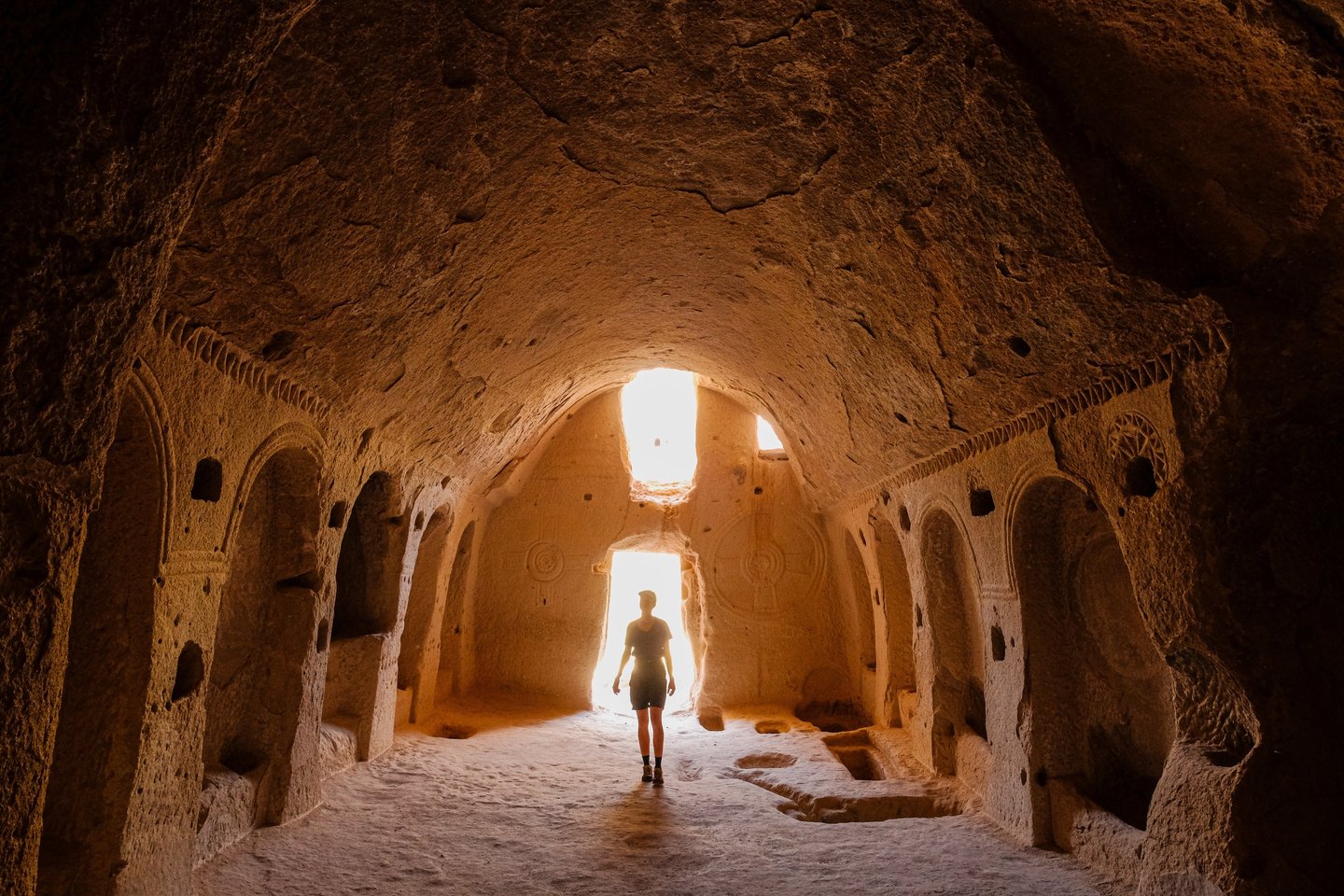
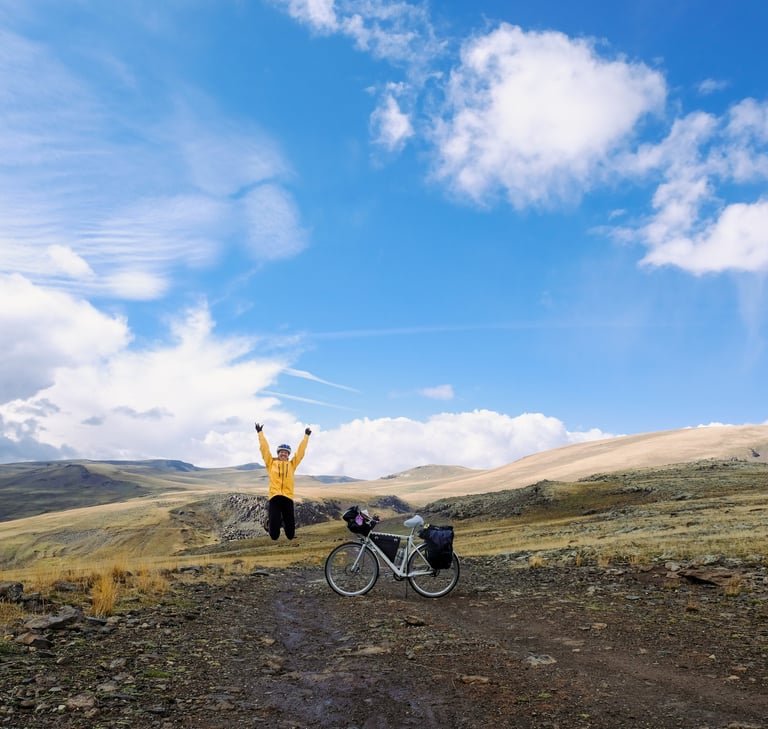
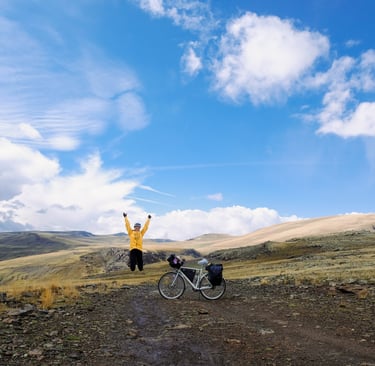
The most memorable moments are on the one hand, the days, where I was in the mountains very remotely with a very intense nature experience. I had that in the Taurus mountains in Türkiye and also in Eastern Türkiye. I took very… very small dirt roads where I only encountered some shepherds, and there was no infrastructure anymore. These were definitely very special, magical and intense experiences. And on the other hand, I will never forget the hospitality, especially in Türkiye, but also in Greece. I will always have the people in my heart who invited me to their homes and provided me with dinner and everything I needed. These experiences make me believe in the good in people.
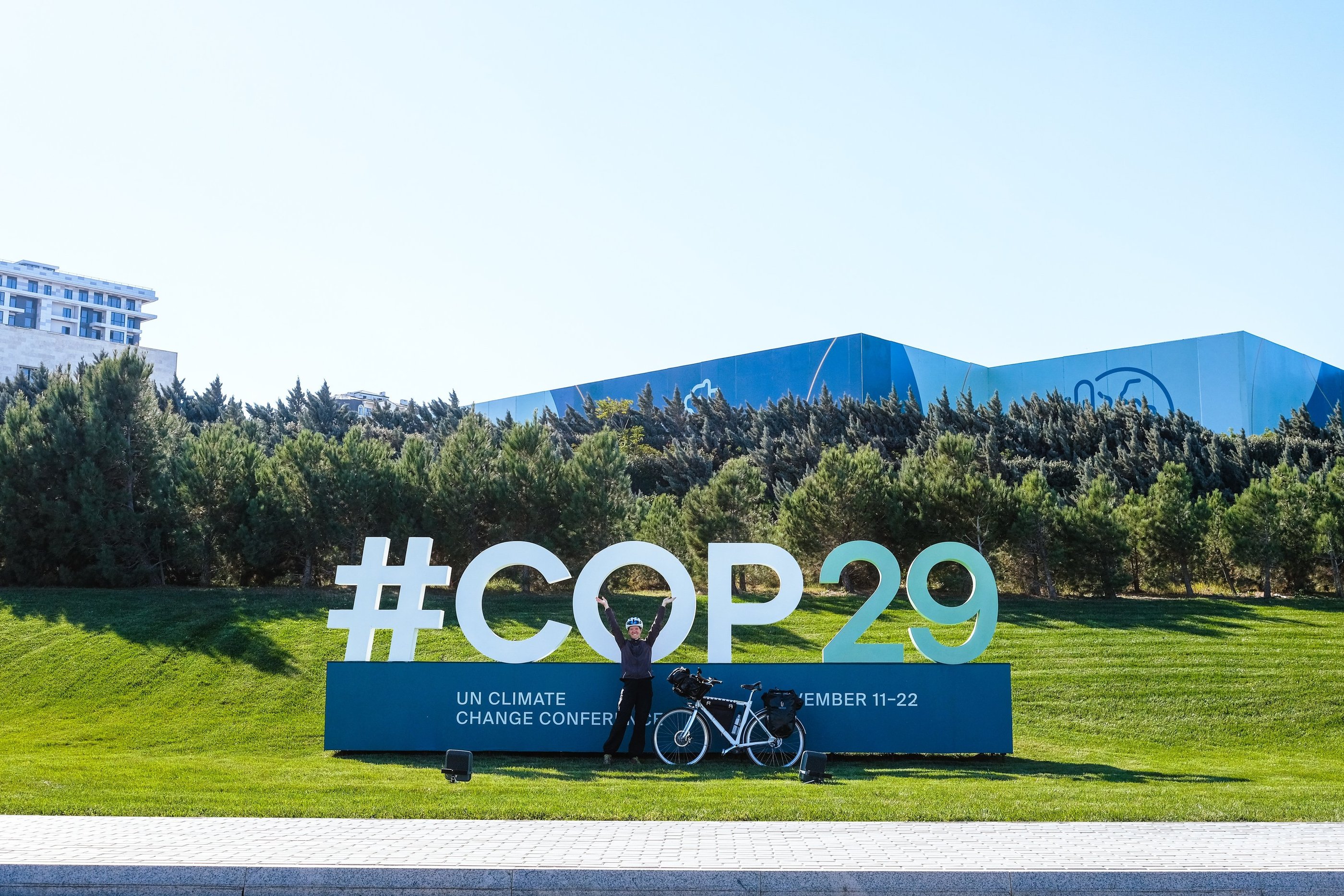
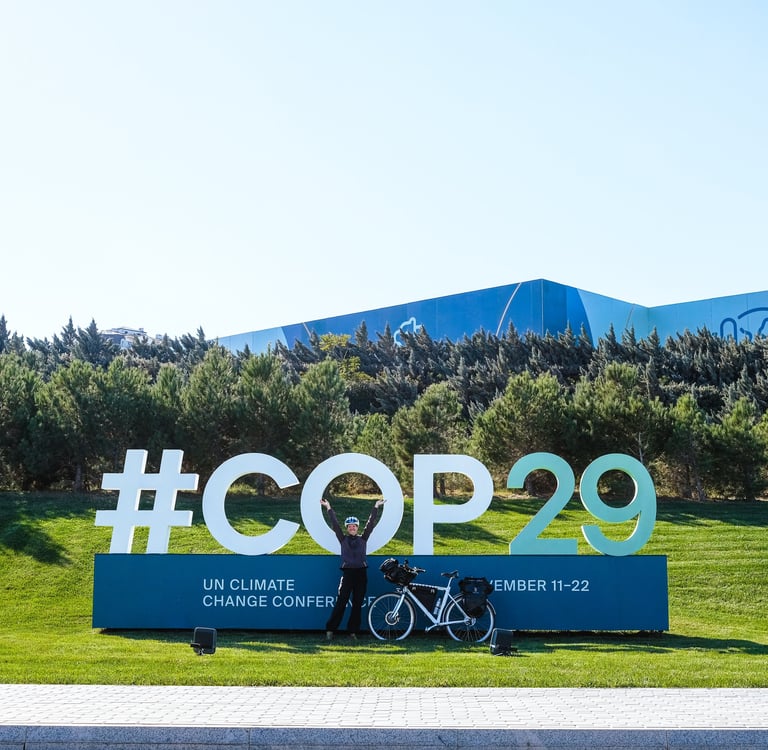
Could you tell us about the COP29 event? What was the situation there, what were the key conference results, and who did you meet?
As I have been travelling before attending COP29, I did not prepare on following a specific negotiation item. But when I got there, I was immediately surrounded by all these amazing climate advocates who got me on board. I have been to COP25 in Madrid and COP26 in Glasgow, and in general, I experience COPs as a very… very overwhelming surrounding - especially after being on the road, partly in the middle of nowhere, on my own for months, you can imagine the contrast.
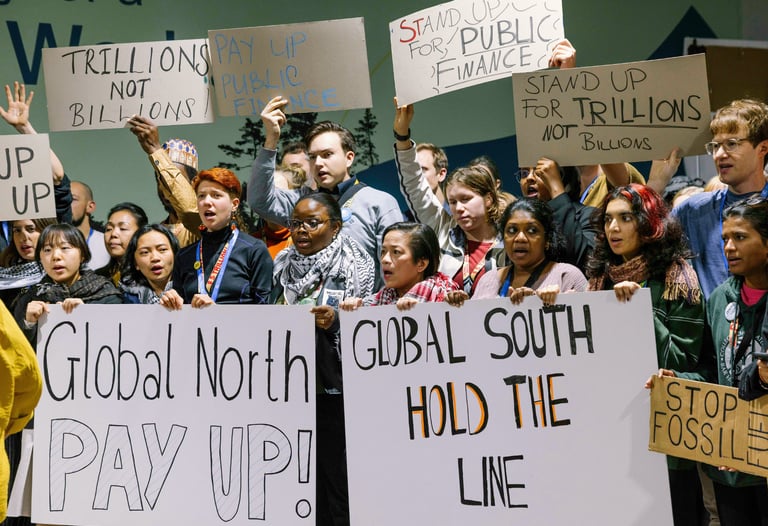
I think I can speak for many civil society observers that the results are very frustrating. On most negotiation topics like adaptation, just transition and mitigation, there is not really a result. For me, especially the fact that mitigation, which is the core of the Paris Agreement, has not been negotiated seriously by all parties, is very upsetting. We all know that cutting emissions and phasing out fossil fuels is the bare minimum and absolutely necessary to keep this planet inhabitable. The most important negotiation item for this COP29 was climate finance; it was also called “finance COP”. This was about who has to pay, who will receive it, how much will be paid and if it will be public grants or also include loans and private investments which is way less reliable and may increase indebtedness. The result of that is devastating for the most vulnerable states. The quantum, which is the amount of money to be paid, does by far not meet the necessary amount to meet the costs of the climate crisis and transitioning.
Did you attend the entire event from November 11–22, 2024?
Yes, I arrived on time to attend the whole conference.
What was the most interesting topic at COP29 that piqued your curiosity even more?
As the failure on mitigation was so upsetting for me, I got now very intrigued to keep on following how this will proceed in Bonn in June and afterwards.
If a genie granted you three wishes, what would they be?
• Being able to speak all languages in the world (as an
egoistic wish).
• For everyone in the world to have the freedom and
possibilities to travel (sustainably, of course).
• No billionaires anymore (all money redistributed).
Do you have any plans after you return to Berlin?
To be honest, for 2025, my life is quite without a plan. I need to find a job to earn an income, and I am looking for a job in the climate field, but I am not keen to work 9 to 5 sitting in front of a computer. Moving, being outside - it has now been my life, and I felt so much more alive. I will try to find ways to get active about the national elections that will take place in Germany in February, which is quite scary with conservative and right-wing parties rising. I am looking forward to seeing my friends again, to being back in the orchestra and pursuing other hobbies I couldn’t do on the road.
What’s the next journey you’d like to accomplish?
I would like to explore more of Europe, I have such a long list of places I’d like to go! And I am also planning on doing short trips in Germany to integrate the travel mode on a little bit of a regular basis.
And last but not least, a message for all of us, please? :))
I think for me this journey connects many things of a kind of world I strive and fight for: Freedom of movement, which I hope we will have for everyone at some point.
Respectful, sustainable, slow and conscious traveling.
Trusting in yourself, trusting in the process and the way, trusting in the people around you. And with that trust, the courage to set off and pursue a dream.
Pariveśa
Pariveśa is an online magazine that features creative narratives inspired by our environment and well-being, inspiring and uplifting one another for a better world.
hello@parivesa.media
© 2026 | Pariveśa Magazine | Site by Crimson Clover